You see them perched on a rosebud, their shiny red shells dotted with black. Ladybugs. They're cute, they're iconic, and if you're a gardener, they're your tiny, spotted army. But that adult beetle is just the final chapter. The full ladybug life cycle is a story of dramatic transformation, from a hidden egg to a ferocious predator that doesn't look anything like its parents. Understanding these stages isn't just trivia—it's the key to harnessing their power in your garden and avoiding a common, costly mistake: accidentally killing the helpful young.
I've been gardening for over a decade, and I'll admit, the first time I saw a ladybug larva, I nearly squished it, thinking it was some strange pest. It looked like a tiny, spiky alligator. That moment changed how I garden. Now, I want to walk you through each stage, so you can spot them, protect them, and turn your garden into a ladybug nursery.
What's Inside: Your Quick Guide
The Four Stages of a Ladybug's Life Cycle
Forget the butterfly. A ladybug undergoes a complete metamorphosis just as complex: egg, larva, pupa, and adult. The entire process, from egg to breeding adult, can take about 4 to 7 weeks, depending on the species and temperature. Here’s the play-by-play.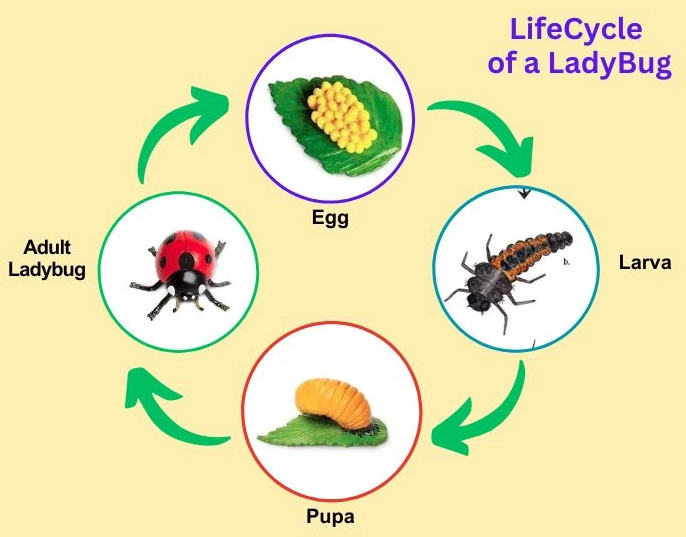
Stage 1: The Egg – A Clutch of Potential
A female ladybug is choosy. She'll scout for a leaf infested with aphids or other soft-bodied insects—a ready-made buffet for her babies. She lays a cluster of 10 to 50 tiny, yellow, oval-shaped eggs standing upright on the leaf's surface. They're often on the underside, hidden from view and the elements.
What most guides don't tell you: Don't expect to find these eggs on just any plant. They'll be on the hottest aphid real estate. Check the undersides of leaves on your roses, milkweed, or nasturtiums first. The eggs hatch in 3 to 5 days. If you see them, consider it a sign you're doing something right (aphids are present) and that help is on the way.
Stage 2: The Larva – The Hidden Predator
This is the stage most people miss or mistake for a pest. The ladybug larva looks nothing like its parents. It's elongated, segmented, and often dark-colored with bright orange or yellow markings. They resemble miniature, spiky, six-legged alligators.
Their sole purpose? Eat. A single larva can devour up to 400 aphids during its 2-3 week growth period. They'll molt their exoskeleton several times as they grow, getting larger and hungrier with each instar (growth phase). This is your garden's most effective pest control agent, working 24/7.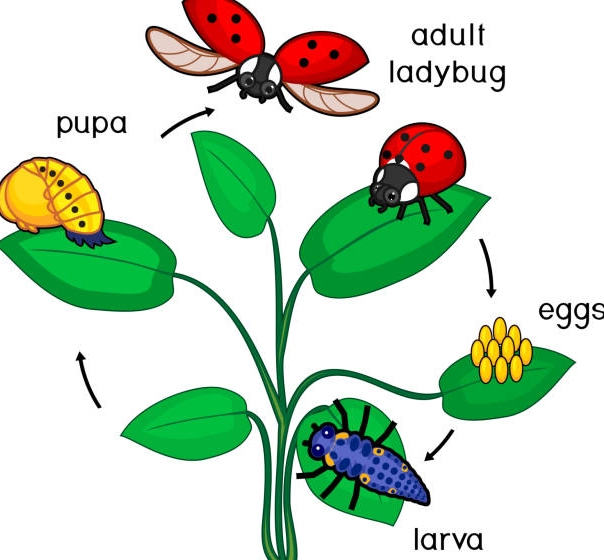
Pro Tip from the Field: The larvae are mobile. While the eggs are laid on a food source, the larvae will crawl to neighboring plants in search of more prey. If you see one on a plant you don't typically associate with aphids, it's probably just hunting.
Stage 3: The Pupa – The Transformation Chamber
When the larva is fully grown, it attaches itself to a leaf or stem, often in a sheltered spot. It curls up and its final larval skin splits to reveal the pupa. The pupa is immobile, often orange or dark, and may look like a shriveled, spiky blob.
Inside, magic happens. The larval tissues are broken down and reorganized into the adult ladybug's body—wings, legs, shiny shell (elytra), and all. This stage lasts about 5 to 7 days. It's a vulnerable time. The pupa can't move or defend itself.
Here's a subtle mistake many make: they see this odd-looking "thing" stuck to a plant and peel it off, thinking it's a disease or dead pest. Don't touch it. You're interrupting the final act of a garden hero's origin story.
Stage 4: The Adult – The Familiar Beetle
The adult emerges from the pupa soft and pale, often a yellowish color. Within hours, its exoskeleton hardens and its iconic colors and spots develop. These spots are set for life; they don't change in number.
This new adult will feed for a week or two before it's ready to mate and start the cycle again. In temperate climates, the final generation of adults in the fall will seek shelter (often in your house!) to hibernate through winter, emerging in spring to lay the first eggs.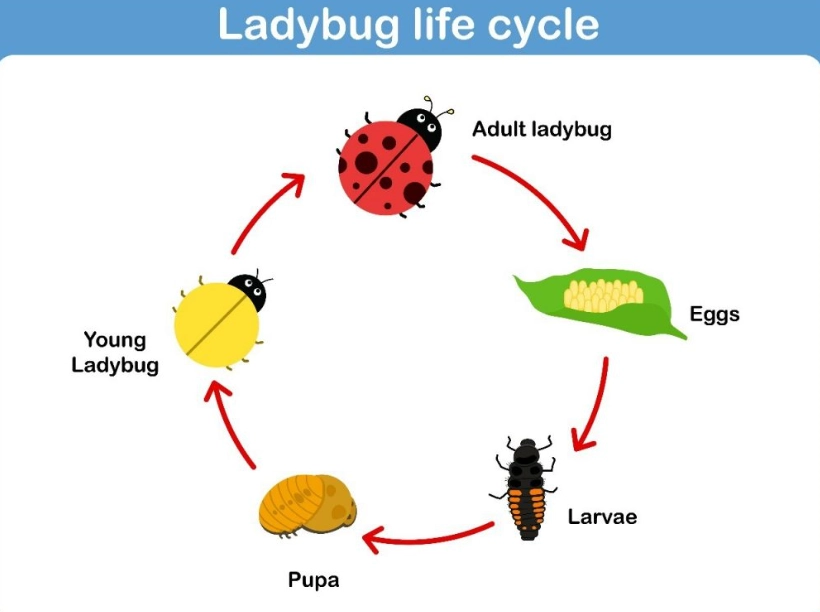
How to Tell Ladybug Larvae Apart from Garden Pests
This is the critical skill. Killing a ladybug larva is like firing your best security guard because you didn't recognize his uniform. Let's clear up the confusion.
The main impostors are mealybugs and some types of scale insects or other beetle larvae. The difference is in the behavior and the details.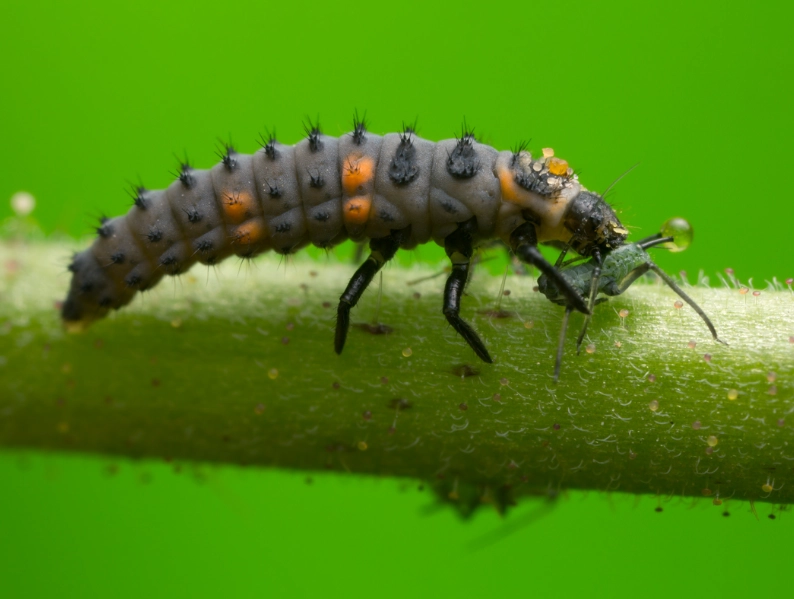
| Feature | Ladybug Larva | Common Pest (e.g., Mealybug/Scale) |
|---|---|---|
| Shape & Movement | Elongated, segmented, agile. Crawls quickly on leaves and stems. | Often oval or blob-like. Mealybugs are slow-moving; scale insects are immobile once settled. |
| Legs | Six prominent, jointed legs near the head for active hunting. | Mealybugs have tiny, hard-to-see legs. Scale insects lack visible legs in the crawler stage. |
| Activity | Actively hunting. You'll see it moving across leaves, often where aphids are. | Feeding stationary on plant sap. Usually found clustered on stems or leaf joints. |
| What it's Doing | It's eating other insects (aphids). | It's sucking the life out of your plant. |
The simplest rule: if it's sprinting across a leaf, leave it alone. It's working.
What Really Happens Inside the Pupa Stage?
It's not just a nap. The pupal stage is a biological reconstruction site. Using resources stored during its larval feeding frenzy, the insect's body releases enzymes that dissolve most of the larval tissues into a kind of "soup." Special groups of cells called imaginal discs, which have been present since the larva hatched, now use this nutrient soup to rapidly multiply and form the adult structures—wings, compound eyes, reproductive organs, and that hard shell.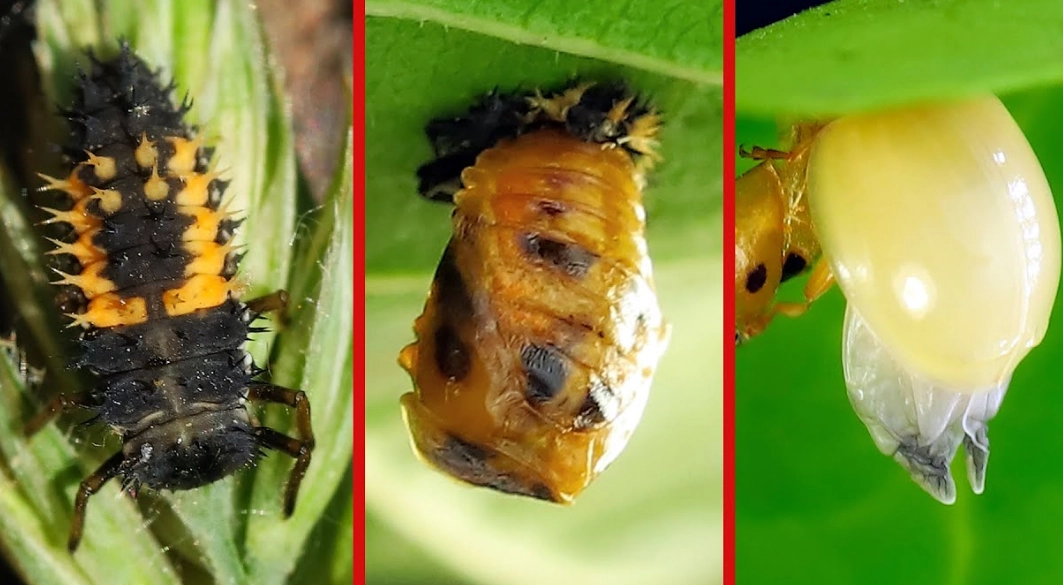
This process, called histolysis and histogenesis, is energy-intensive and delicate. Any disturbance can disrupt it, leading to a malformed adult or death. This is why providing undisturbed shelter in your garden is so crucial.
How to Attract Ladybugs to Your Garden (And Make Them Stay)
Want a self-sustaining ladybug population? You need to provide three things: food, water, and real estate. Buying a tub of ladybugs and releasing them is often ineffective because they'll just fly away if these needs aren't met.
1. Food for All Stages: Adult ladybugs eat aphids, but they also need pollen and nectar for longevity, especially when pest numbers are low. Plant a diverse buffet:
- Aphid Magnets (Nursery Plants): Let a few plants like nasturtiums, roses, or milkweed host a small aphid population. This gives females a reason to lay eggs.
- Pollen/Nectar Sources: Plant flat-topped flowers like yarrow, dill, fennel, cilantro (let it flower), cosmos, and marigolds. The University of California's Integrated Pest Management program notes these are highly attractive to beneficial insects.
2. Shelter and Safety:
- Leave some leaf litter, small wood piles, or patches of perennial plants undisturbed over winter for hibernation.
- Provide a shallow water source with pebbles for them to land on and drink without drowning.
- The big one: STOP using broad-spectrum insecticides. Even organic ones like pyrethrin can kill ladybugs at all life stages. If you must spray, target the pest directly and avoid flowering plants.
3. If You Buy Ladybugs: Get native species if possible. Release them at dusk near infested plants after misting the area with water. This makes them thirsty, so they'll stick around to drink and hunt instead of immediately dispersing.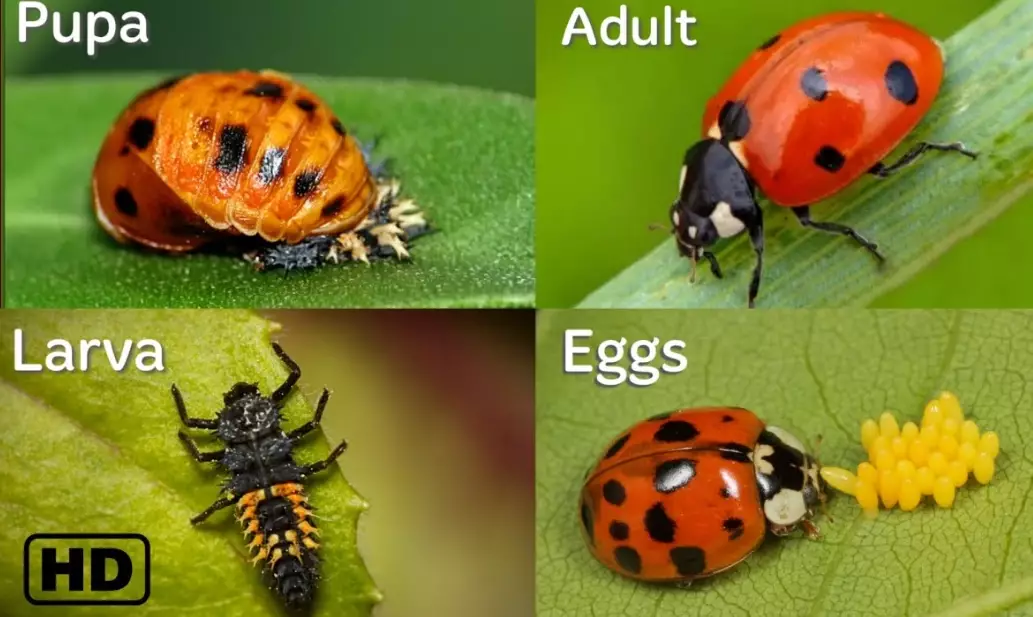
Your Ladybug Questions, Answered
Watching the stages of a ladybug unfold in your own backyard is one of gardening's great rewards. It turns pest management from a chore into a fascinating observation of nature's balance. Start by learning to recognize that spiky, alligator-like larva. Protect the strange-looking pupa. Plant a few flowers they love. Do that, and you won't just have a few visiting beetles—you'll have a thriving, self-replenishing army of polka-dotted guardians, working every stage of their lives to keep your garden healthy.
Reader Comments